Electrical Engineering is a rapidly evolving branch of engineering that focuses on the generation, transmission, distribution, and efficient utilization of electrical energy, along with modern electronic and automation technologies. The program provides students with strong foundations in electrical circuits, power systems, electronics, control systems, automation, and smart technologies that drive today’s industries and infrastructure.

With the growing demand for sustainable and clean energy solutions, the curriculum also emphasizes emerging fields such as Solar Energy Systems, Renewable Energy Technologies, Smart Grids, and Electric Vehicles (EVs). Students gain practical exposure to solar power generation, battery management systems, EV charging infrastructure, energy storage technologies, and energy-efficient transportation systems, preparing them for the future of green technology and sustainable development.

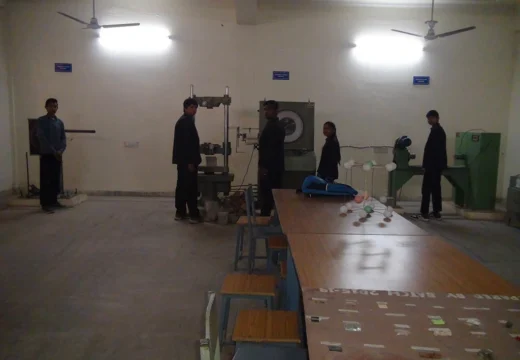
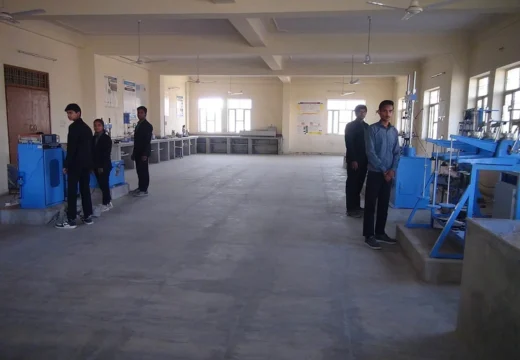
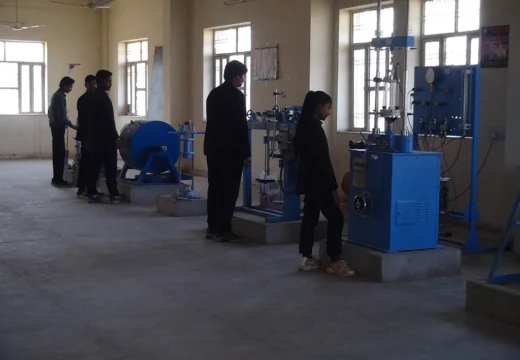
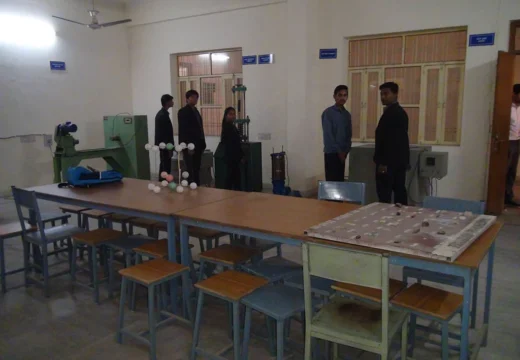
The program combines theoretical learning with hands-on laboratory training, industry projects, internships, and research opportunities to develop technical expertise, innovation, and problem-solving skills. Graduates can pursue rewarding careers in power and energy sectors, renewable energy industries, electric vehicle manufacturing, automation, smart infrastructure, research organizations, and government or private enterprises, while also being well-prepared for higher studies and entrepreneurship in advanced technologies.

Mechanical engineering is one of the oldest and broadest branches of engineering. It deals with the design, analysis, manufacturing, and maintenance of mechanical systems.

Core Areas of Mechanical Engineering:

  • Thermodynamics – Study of heat and energy systems
  • Mechanics – Study of forces and motion
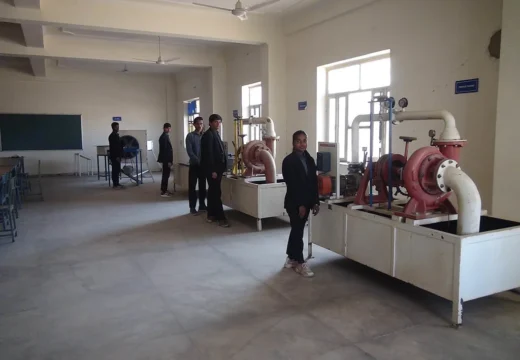
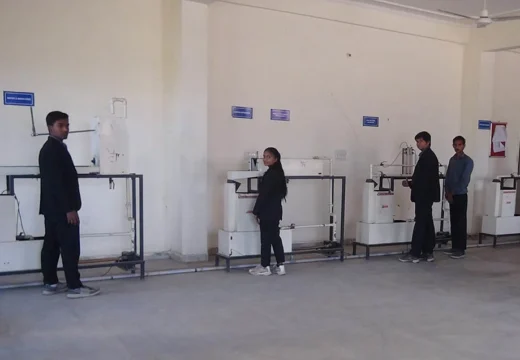
  • Fluid Mechanics – Behavior of liquids and gases
  • Materials Science – Properties and applications of materials
  • Manufacturing Engineering – Production and industrial processes
  • Design Engineering – Development of machines and systems

Applications:
Mechanical engineers work in automotive, aerospace, robotics, manufacturing, and energy industries.

Skills Required:

  • Problem-solving ability
  • Knowledge of mathematics and physics
  • Creativity and innovation
  • Familiarity with engineering software tools

Importance:
Mechanical engineering contributes to technological advancement and improves quality of life through machines and
systems used in daily life.

What is Civil Engineering?
Civil engineering is about designing and building the things society relies on — roads, bridges, buildings, dams, airports, and water systems. It combines problem solving with making real, physical structures people use every day.

What you’ll do in a Diploma in Civil Engineering:
This diploma is very hands-on and focused on construction. You’ll learn how projects go from a drawing on paper to a finished structure:

  • Understanding construction: You’ll study how buildings, roads, and bridges are built step by step — from preparing the site and laying foundations to putting up structures and finishing work.
  • On-site skills: You’ll learn surveying to mark out where to build, how to test materials like concrete and steel for strength, and how to read construction drawings and plans.
  • Building materials & methods: Classes cover concrete, bricks, steel, timber, and new construction techniques. You’ll see how choices affect cost, strength, and durability.
  • Site roles: You’ll get training for jobs like site supervisor or junior engineer — tasks include checking work quality, managing materials, keeping safety standards, and tracking project progress.
  • Practical work: Expect lab tests, site visits, and a final project where you plan or design part of a structure. You’ll also learn CAD software to make drawings used on construction sites.

After the diploma: You can work directly on construction projects as a site supervisor, draughtsman, estimator, or junior engineer. Many students also continue to a degree in civil engineering later.

Mechanical Automobile Engineering is a branch of engineering that deals with the design, manufacturing, operation,
and maintenance of automobiles such as cars, trucks, buses, motorcycles, and other vehicles.

Main Areas of Automobile Engineering:

  • Vehicle Design
  • Engine Technology
  • Manufacturing and Production
  • Vehicle Maintenance
  • Automobile Electronics

Important Components of an Automobile:

  • Engine
  • Clutch
  • Gearbox
  • Differential
  • Brakes
  • Suspension
  • Steering System
  • Battery and Electrical Systems

Applications:
Mechanical automobile engineers work in automobile manufacturing companies, service centers, design industries,
and electric vehicle sectors.

Skills Required:

  • Knowledge of mechanics and thermodynamics
  • Problem-solving ability
  • Creativity and innovation
  • Practical workshop skills
  • Understanding of CAD/CAM software

Importance:
Automobile engineering plays a major role in transportation and industrial development. Modern technologies such as
electric vehicles and smart systems are increasing the demand for skilled automobile engineers.

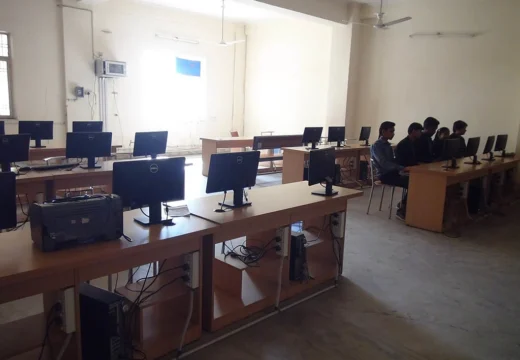
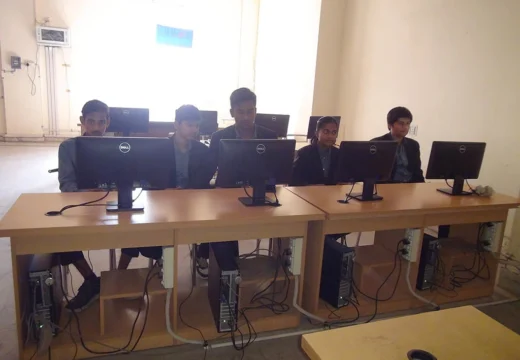
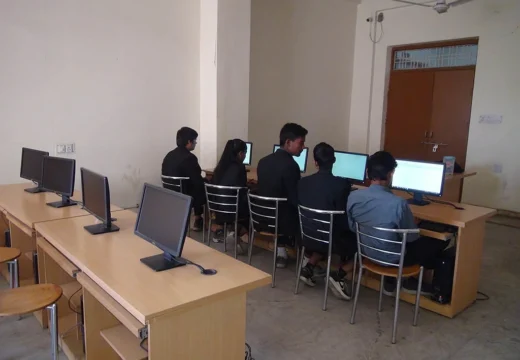
The Computer Science and Engineering Department (Polytechnic) is committed to providing students with technical knowledge and practical skills in the field of computer technology and modern information technology. The department offers education in programming, software development, web designing, networking, database management, and computer hardware.

The main objective of the department is to develop technically skilled students who can meet the requirements of modern industries and emerging technologies. Through modern computer laboratories, experienced faculty members, and practical-based learning, students gain both theoretical understanding and hands-on experience.
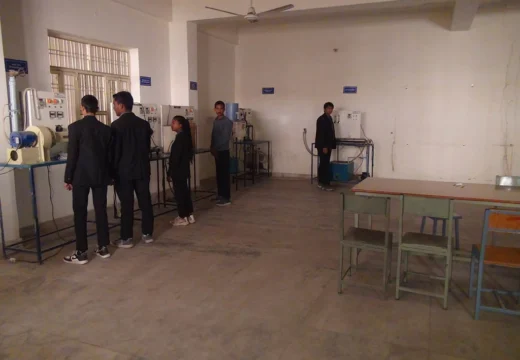
The department encourages students to participate in projects, seminars, technical competitions, and industrial training programs to enhance their innovation, teamwork, and problem-solving abilities.

The Computer Science and Engineering Department (Polytechnic) aims to prepare skilled and self-reliant professionals who can build successful careers in the IT industry, government sectors, startups, and higher education.